The Stakes of Green AI for Embedded Systems
summary
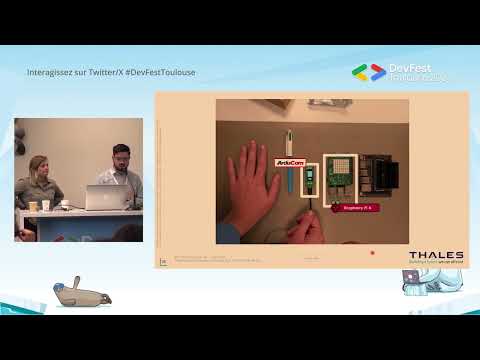
Presents work on deploying energy-efficient AI on constrained edge and embedded devices (Device/Far/Cloud Edge) for real applications: convolutional autoencoder image compression and object/road segmentation on satellites (FPGA Xilinx, Nvidia Jetson Nano), on-device speech recognition on Raspberry Pi/Arducam Pico, and IoT-based brake-wear monitoring for urban cable cars using neural networks. Describes methodology for training, optimization, quantization/distillation and deployment (using N2D2 and custom tooling) and argues for an end-to-end embedded-AI framework that adapts models to limited compute, sensors and real-time/energy constraints rather than only applying off-the-shelf deep-learning compilers.
AI-written summary · about
chapters (10)
- 0:00Green AI stakes
- 2:14Red vs green AI
- 3:58Cloud vs edge computing
- 5:02Energy optimization
- 8:49Shrinking models
- 10:36Hardware specialization
- 15:11Vehicle demo
- 26:04Cloud green principles
- 30:13Thales Green IT
- 32:21Q&A
related talks
 21mUnlocking the potential of low-power embedded devices with Edge AI software
 22mEdge AI Use Cases in IoT — Unlocking Intelligence at the Network Edge
 36mApplied AI on the edge
 48mThe Power of Edge AI: Revolutionizing Future of Real-Time, Autonomous Processing
 55mEdgeAI - AI in the Palm of Your Hand
 10mThe Rise and Impact of Edge AI
 29mLife on the Edge
 28mMachine Learning on the Edge