Edge Transcoding

summary
Multicast HEVC over our satellite network to aircraft and on-board machines transcode 12+ channels to H.264, MPEG‑2 and pass-through HEVC using ffmpeg + vaapi on a 2012 Core i7, handling real-time 24 frames every 33 ms, seatback TS timing and minutes-long link loss via buffering. Result: big satellite bandwidth savings, workable consumer quality (VMAF in the 50s on tough clips), and a long‑running production FFmpeg pipeline that survives hours and millions of views.
AI-written summary · about
chapters (8)
- 0:00Start
- 1:18Traditional Distribution Model
- 2:29Edge Transcoding Model
- 12:52Testing the limits of ffmpeg & QuickSync
- 15:42Video Quality: More Than Metrics
- 18:12Consumer Entertainment Missions
- 20:05Establishing A Minimum Acceptable Quality
- 27:56Anecdotal Evidence
related talks
 15mUsing The Power of Edge Compute To Enhance Streaming Delivery
 34mLightning Talks
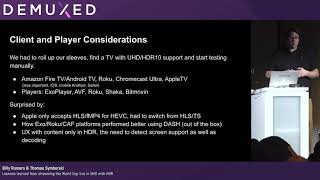 23mLessons learned from streaming the World Cup in UHD with HDR
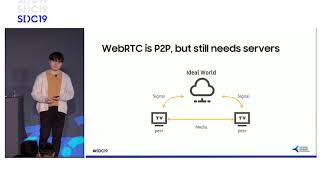 41m8K Codec Low-Latency Livestreaming, and AI Streaming
 27mHighly-Efficient SVT-AV1-based Solutions for VOD Applications
 02mDemuxed 2018 Video & Streaming Architecture
 29mHow to build a high quality 'live' HD VP9 Encoder
 10mBuilding an 8k encoder + live streaming platform