DataEngBytes 2023 - SYD-T3-04 - Abhinav Goyal
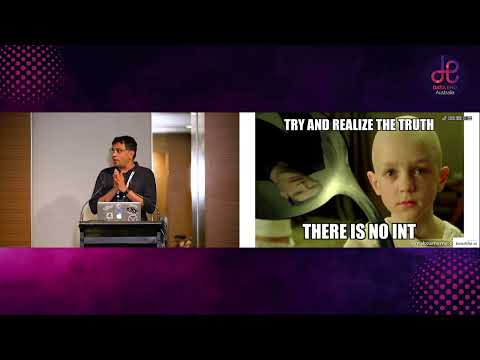
summary
Argues that a compiler-style semantic layer turns brittle pipelines into verifiable programs: ban base types and replace ints/strings with semantic types with units and patterns (emailID, ABN, length, currency) so the system auto-generates converters, enforces contracts, and catches unit/format bugs before runtime. Shows mock code and examples that produce auto-generated workflow sequencing and parallelism from metadata, claims this collapses the 250+ tool surface and enables data quality checks, contract enforcement, and safer schema evolution across the stack (Ordinatim is building toward this).
AI-written summary · about
chapters (10)
- 0:00Self-driving companies
- 1:07Business needs from data science
- 3:55Data engineering reality
- 6:04Domain knowledge gap cause
- 7:29Ignoring domain knowledge costs
- 9:58Failed gap-bridging attempts
- 12:04Systems with semantic types
- 16:16Semantic types for business logic
- 17:23Workflow tracking and parallelism
- 19:54Data and product roles future
related talks
 41mDataEngBytes 2023 - BRI-T1-01 - Chad Sanderson
 24mDataEngBytes 2023 - MEL-T2-02 - Vikas Rajput
 30mDataEngBytes 2023 - PER-T1-01 - Chad Sanderson
 20mDataEngBytes 2023 PER-T1-10 - Matthew Carter
 32mDataEngBytes 2023 - BRI-T1-10 Rishu Saxena & John Cosgrove
 32mDataEngBytes 2023 - PER-T1-11 - Mark Kitson
 36mDataEngBytes 2023 - PER-T1-02 - Josh Armitage
 24mDataEngBytes 2023 - MEL-T1-05 - Izzudin Hafiz