Applied Privacy Engineering Study
summary
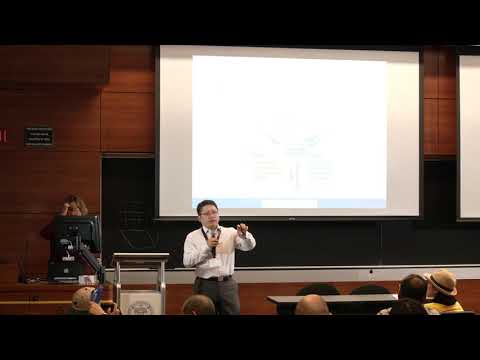
Analysis of the SEER cancer registry (1991–2000, ~300k records) shows many records have k = 1 under quasi‑identifiers, meaning direct reidentification via linkage is possible. The study runs the Mondrian algorithm, evaluates c‑average (discernibility) and k from 1–7 and up to 1000 (steps of 25), finds a utility/privacy sweet spot around k ≈ 11–21, and recommends stricter access controls (no email password delivery), tiered releases, encryption, two‑factor auth and differential privacy for interactive queries.
AI-written summary · about
chapters (8)
- 0:00Introduction and speakers
- 1:10Why data privacy matters
- 6:49Privacy risks in data inference
- 13:35Healthcare privacy engineering study
- 20:50K-anonymity and data disclosure
- 27:50Balancing utility and privacy
- 33:16Recommendations for SEER database
- 38:25Call to action for data scientists
related talks
 10mHealth Data Anonymization and Privacy
 01h 43mPerspective
 01h 00mStepping-up: The Census Bureau Sets an Example of How to Be a Good Data Steward in the 21st Century
 22mEnhancing Privacy through an Interactive On-demand Incremental Information
 50mData Privacy Concerns - A Risk Based Approach to De-Identification
 01h 13mThe risk-based approach to privacy: How far should we go?
 43mAnalyzing Administrative Data with Privacy Protection in Place
 01h 16mLaw and CS