Performance as a Religious Experience

summary
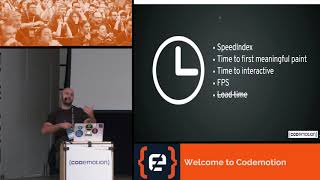
Front‑end performance causes most of page response time; the talk uses WebPageTest metrics and sets concrete goals like Speed Index under 1000 and first meaningful paint under 1s. It shows images are ~66% of page weight and cites Shopzilla’s 7–12% sales lift from faster pages, then recommends actionable practices: critical CSS, image optimization (ImageMagick/mozjpeg or on‑the‑fly services), leverage HTTP/2 multiplexing, and adopt a performance budget around 800 KB for templates.
AI-written summary · about
chapters (20)
- 0:00Start
- 4:07Performance (front end)
- 11:47Design
- 13:30Server
- 14:35Roger Federer, Timeless Legend.
- 14:552 types of performance
- 15:41Google PageSpeed
- 16:20WebPageTest
- 18:03Speedcurve, Lighthouse, Pingdom
- 19:50Progressive enhancement
- 20:09RESPONSIVE IMAGES!
- 22:39Critical, Specificity, CSS containment
- 23:13Multiplex
- 26:00Switching hats or switching departments?
- 26:56Performance master
- 27:17Performance budget!
- 28:22Editorial plan!
- 28:39Engage everyone
- 28:49Prepare to lose
- 29:17Get on the field and play your game.
related talks
 28mWhat we talk about when we say "web performances"
 31mEvery Millisecond Counts: Performance & UX
 19mPerceived Performance, And Why It Matters
 48mThink Fast, First: Empowering a Performance Culture
 22mNew Perspectives on Performance
 20mReal metrics for front-end performance
 36mHacking Web Performance
 46mWeb Performance: Autobahn or Pedestrian Zone?