And then there was k8s

summary
Presents a historical lineage from IBM OS/360 through virtual machines (KVM, Xen, VMware, Hyper‑V) and Linux kernel features (cgroups, namespaces, overlayfs, btrfs, zfs) to Docker (dotCloud) and Kubernetes. Argues that cloud evolution relied on efficient virtualization hardware, that Kubernetes drew on Borg/Omega ideas, became a practical standard for deployment and lifecycle (GKE in Nov 2014, on‑prem in Apr 2015) and by mid‑2018 had widespread managed offerings, exposing operations consistently via kubectl.
AI-written summary · about
chapters (15)
- 0:00Talk goals
- 1:04Virtual machines history
- 5:06Hardware for virtualization
- 8:42Virtualization and cloud
- 9:03Unix isolation history
- 12:42FreeBSD Jails impact
- 15:10Solaris Zones limits
- 16:58Linux rise and decline
- 18:43Linux containers and Docker
- 21:48Docker linking solved
- 23:33Docker limits and need
- 26:25Borg Omega and Kubernetes
- 28:32Kubernetes as standard
- 31:42Why Kubernetes changed cloud
- 33:07Key concepts behind evolution
related talks
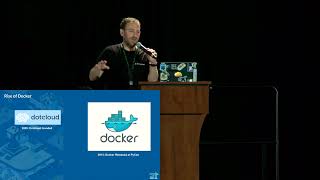 05mBare Metal to Containers to K8s: How We Got Here
 20mEmergence of Linux Application Containers and the Rise of Kubernetes
 34mThe beauty of virtual infrastructure with K8s and containers
 23mKeynote: A Brief History of the Cloud from Servers to VMs to Buildpacks to Cloud Native Containers
 29mUnderstanding the Container Revolution
 20mKubernetes for the Virtualization Admin
 17mKeynote: Kubernetes: Finally...A True Cloud Platform
 31mElephant in the room