Green Code: Transforming DevOps for a Sustainable Future

summary
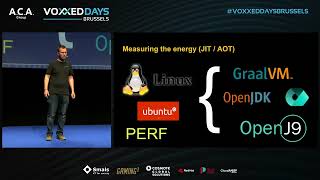
Claims concrete savings and measurement: the GSF/Sci metric is calculable (energy E × location L + embodied M normalized by functional unit R) and corporate members include Microsoft Accenture Intel UBS; RPP power tool produces fine‑grain energy readings; benchmarks show language and algorithm matter and C often uses least energy for some workloads. Cloud utilization sits at 13% CPU and 20% memory while servers still draw ~60% of peak at <30% load. WASM startup 52ms vs serverless 250ms and GraalVM AOT yields instant startup and lower runtime CPU/memory.
AI-written summary · about
chapters (9)
- 0:00Introduction to Green Code
- 0:34Understanding Carbon Intensity
- 1:39The Role of IT in Carbon Emissions
- 3:08Tools and Frameworks for Measuring Carbon Intensity
- 5:09Programming Languages and Energy Efficiency
- 6:39Server Utilization and Resource Efficiency
- 9:31Serverless Functions and WASM
- 13:17GraalVM and Operational Practices
- 15:55Conclusion and Final Thoughts
related talks
 19mGreen Code on the Cloud: Integrating Sustainability into DevOps Practices
 31mCreate an eco-friendly world with Green Software Engineering
 27mDevGreenOps
 41mWriting Greener Software Even When You Are Stuck On-Prem
 47mLean Mean Green Machines - Architecting for a Greener Future
 45mLaying the Foundation on OSS Environmental Sustainability
 34mSustainable Software Engineering, Building Carbon-Efficient Applications
 39mCreate an Eco-Friendly World with Green Software Engineering