Cloud MCP Servers Under Fire

summary
MCP servers concentrate trust and become privileged control planes, with 100 million monthly SDK downloads and tens of thousands public MCP servers amplifying cloud blast radius. Real attack chains combine prompt injection, weak auth, token leakage, and over-privileged connectors to escalate from model input to risky reads or writes. Defenses are concrete: separate read and write paths, short-lived scoped credentials, allow lists for actions and connectors, enforced intent validation, strict tenant isolation, and end-to-end audit trails and monitoring.
AI-written summary · about
chapters (11)
- 0:00Welcome and Talk Setup
- 0:22Why MCP Changes Security
- 1:04Speaker Background and Stakes
- 2:19MCP Server Basics
- 4:12Control Layer and Blast Radius
- 5:03Where Risk Really Comes From
- 7:01Threat Categories and Attack Chains
- 9:20Cloud MCP Amplifies Impact
- 10:20Secure Design Principles
- 11:25Operational Defenses and Monitoring
- 12:21Key Takeaways and Closing
related talks
 25mYour Insecure MCP Server Won't Survive Production
 35mYour MCP Server Executes Commands - But From Whom?
 36mSecuring MCPs for Production
 24mThese Aren't the Tools You're Looking For: MCP Security Awakens
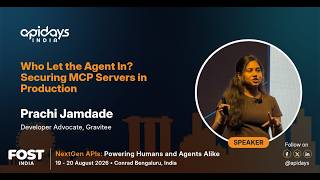 26mWho Let the Agent In? Securing MCP Servers in Production
 29mMCP in 2026: Context is All You Need
 02h 49mMCP Servers: Best Practices, Design Choices and Their Consequences
 45mMCPwned: Hacking MCP Servers with One Skeleton Key... (Jonathan Leitschuh)