How to build the modern, optimistic and reactive user interface, we all want.

summary
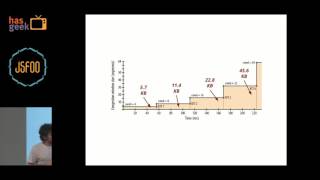
Advocates a hybrid stack: render meaningful HTML on the server to hit the initial 14 kilobytes, minimize round trips because coast-to-coast RTT is about 85 ms coast-to-coast, and keep scripts small to avoid TCP slow-start. Uses optimistic rendering and optimistic rendering patterns (Facebook, Pinterest examples), input-driven immediate UI updates, client-side thumbnails in web workers, socket-based reactivity and sync (socket.io), service workers for offline sync, hot code reload to avoid forced refreshes, and explicit reconnection and error reconciliation.
AI-written summary · about
chapters (11)
- 0:00Introduction
- 1:04JavaScript performance and UX
- 2:12Seven principles for modern UI
- 6:43Server rendering is not optional
- 17:21Input reaction and optimistic rendering
- 27:39Reactivity and eventual consistency
- 33:06Client-server data transmission
- 37:21Offline support and sync
- 41:35Fixing the broken back button
- 45:25Eliminating page reloads
- 50:08Predicting user behavior
related talks
 30mReactive interface
 18mThe need for speed - Single-page apps, Optimistic UIs, Reactivity
 48mClientside templates for reactive UI
 44mHow to Approach Modern Web Applications
 30mA Nerdy Guide To The Web Trending Concepts
 01h 18mThe future of chat
 48mUX Programming for Developers
 22mBringing Back Progressive Enhancement