How to Navigate Emerging AI-Driven Security

summary
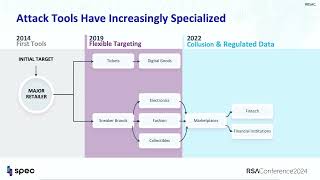
AI makes phishing and fraud faster and cheaper: a chatbot was tricked into advertising Chevys for $1, a deep‑fake CFO prompted a $25M wire, and GPT crafts convincing fake Bank of America UIs in minutes. Attack tooling includes Puppeteer scripts that create accounts and bypass Cloudflare, and phishing proxies that achieve MFA bypass. Stats cited: one in four requests are malicious bots, one in five logins are ATO attempts, ~400M leaked credentials in 2022, and ~1/3 of new apps embed AI. Defenses: device fingerprinting, passkeys, and a game‑theory posture.
AI-written summary · about
chapters (5)
- 0:00Introduction
- 1:07AI-driven security risks
- 3:57AI-powered scams escalate
- 8:31Risks to AI-integrated apps
- 10:14Mitigating AI threats
related talks
 55mMore Tales from the Dark Side: How AI is the Bad Guys New Friend
 36mAI at the Gates: Combating AI-Driven Assaults on the Customer Experience
 01h 01mExploiting the supply chain
 51mNavigating the Cyber World: The Impact of AI on Cybersecurity Strategies
 23mCyberattacks easily implemented with AI?
 36mDemocratized Deception: How Threat Actors Are Weaponizing AI to Scale Cybercrime
 51mThe Great Brain Robbery: Navigating the Dark Future of Online Manipulation
 49mGenAI and Cybersecurity: Safeguarding the Digital Age