The IoT Hacker's Toolkit

summary
Overview of practical techniques for breaking and inspecting real IoT hardware and firmware, with concrete takeaways: many devices expose UART serial at 3.3V and often accept default credentials like "root"; JTAG lets attackers halt CPUs and dump RAM and flash; cheap flash chips can be desoldered and read when images are unsigned; prefer FTDI breakout over Bus Pirate for speed; use binwalk extracts firmware, OpenOCD, flashrom, Ghidra/IDA/Binary Ninja, Ubertooth/HackRF/RTL-SDR for radio, and a logic analyzer to observe buses.
AI-written summary · about
chapters (20)
- 0:00Introduction and disclaimers
- 1:49What is IoT?
- 3:13Goals of IoT security research
- 4:15Challenges in IoT hacking
- 7:05Basic hardware tools needed
- 8:50Wireless man-in-the-middle attacks
- 9:35Accessing devices via UART
- 11:19Dumping firmware from devices
- 13:05Reading flash chips directly
- 15:12Universal interfaces for hardware
- 16:59JTAG and SPI flash dumping
- 18:20Analyzing firmware with binwalk
- 20:05Binary analysis tools
- 21:08Sniffing Bluetooth communications
- 21:51Software-defined radio basics
- 23:34Logic analyzers and power supplies
- 25:18Software tools summary
- 26:41Hardware tools summary
- 27:23RF side tools overview
- 28:04Closing and resources
related talks
 32mCommon Attacks on IoT Devices
 30mCommSec D1 - How to Find and Exploit Bugs in IoT Devices
 49mOpen Source Tools of the Hardware Hacking Trade
 52mIoT Hacking 101: Reverse Engineering The Xiaomi Ecosystem
 01h 46mTutorial: Introduction to Reverse Engineering
 21mIndustrial IoT security issues and countermeasures
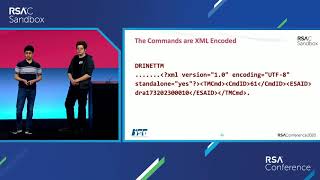 31mIoT Bug Hunting: From Shells to Responsible Disclosure
- 31mIoT Bug Hunting: From Shells to Responsible Disclosure