The Surprising Neuroscience of Gender Inequality

summary
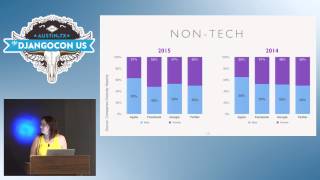
Argues that implicit bias, not overt sexism, largely sustains tech gender gaps and cites measurable evidence: the Implicit Association Test shows pervasive male/power associations, computer science female graduation peaks at ~38% (1985) then declines, Fortune 500 CEOs are ~4.7% female, VC partners ~6%, women get ~2.7% of venture funding (black women ~0.1%), and a GitHub study finds 78.6% vs 74.6% acceptance rates for identifiable women dropping to 62.5% when gender is apparent. Recommends concrete fixes: change hiring screens, conference lineups, workplace decor and review acceptance criteria.
AI-written summary · about
chapters (12)
- 0:00Gender inequality in tech intro
- 1:07Gender equity headlines
- 3:37Childhood bias story
- 5:23Bias in science education
- 11:53How bias shapes behavior
- 18:30Science of implicit bias
- 20:33Evidence of bias in professional environments
- 24:52Bias in competence assessments
- 27:59Environmental career cues
- 30:28Male participation importance
- 32:55Steps to reduce bias
- 34:19Call to societal change
related talks
 26mGender Bias - Identifying the unconscious evil in ourselves...
 31mGender Bias in Tech: Examining Evolution & Persistence of Stereotypes
 01h 02mWhy the Face of Tech Remains Stubbornly Male
 53mThe frustration of diversity efforts in STEM
 53mCoding Like a Girl
 30mThe Missing 78%: How Women in AI & Data Can Complete the Future of Innovation
 01h 25mDiversity Is Too Important to Be Left to Women
 19mUnraveling the Masculinization of Technology