Akita as Angular State Management
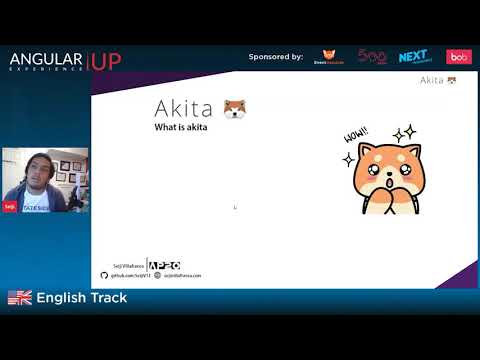
summary
Claims that Akita cuts ngrx boilerplate by omits effects and folding selectors/reducers into queries, demonstrated using Akita v5 and the akita schematics to scaffold model store query and service. A working to‑do app loads via a plain service (no effects), uses built‑in helpers like selectAll selectEntity selectCount setActive and setLoaded, and performs load add and remove operations with a loaded flag updated in the store.
AI-written summary · about
chapters (9)
- 0:00Introduction and speaker intro
- 1:05Why Akita for Angular
- 10:21What is Akita
- 13:51Akita structure and flow
- 17:50Akita vs NGRX comparison
- 21:01Installing Akita
- 24:24Building a to-do app
- 35:08Demo of to-do app
- 39:23Benefits and summary
related talks
 24mNGRX, or NGXS, or Akita, which one should you choose?
 34mReactive State Management For Your Angular App
 01h 00mReactive Programming, State Management, and Redux for the Modern Front End Dev
 27mAngular Architecture: From Patterns to Implementation
 25mAngular Architecture: From Patterns to Implementation
 26mWhy nobody told me about ngrx entity
 26mScalable Angular Architecture
 27mCrafting state management – A principle based architecture