How does the architect know?

summary
The talk examines why many programmers distrust software architects and whether architecture is necessary versus self-organizing teams. It presents a structured, transparent design process for making architecture decisions—moving beyond intuition, guesses and hype—so architects can make evidence-based choices that team members and stakeholders can understand.
AI-written summary · about
chapters (15)
- 0:00Introduction
- 1:16Why architect knows
- 3:25Code change vectors
- 6:55Patterns vs project complexity
- 9:30Business vs requirement uncertainty
- 12:40Architecture record: decision context
- 21:49Component-level architectural style
- 23:59Quality criteria in architecture
- 27:15Four product perspectives
- 32:30Three architectural styles
- 35:39Consistency vs flexibility
- 38:06System architecture and modularity
- 42:44Architect tools: strategy and tactics
- 44:32How to start implementing
- 45:55Summary and Q&A
related talks
 46mTHE too MANY FACES OF ARCHITECTURE
 47mArchitectures, Architects and Other Mythological Creatures
 49mAs Much Architecture Work as Necessary
 01h 10mDecisions We Make: A Personal View on Architecture
 01h 02mHow Do I Become a Successful Software Architect?
 47mIs the non-coding architect architect at all?
 49mWhy software architects fail: and what to do about it
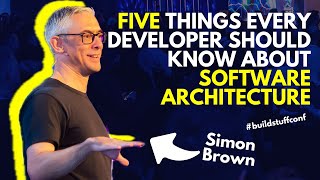 45mFive things every developer should know about software architecture